Venice climate assessment report
Science for long-term climate resilience
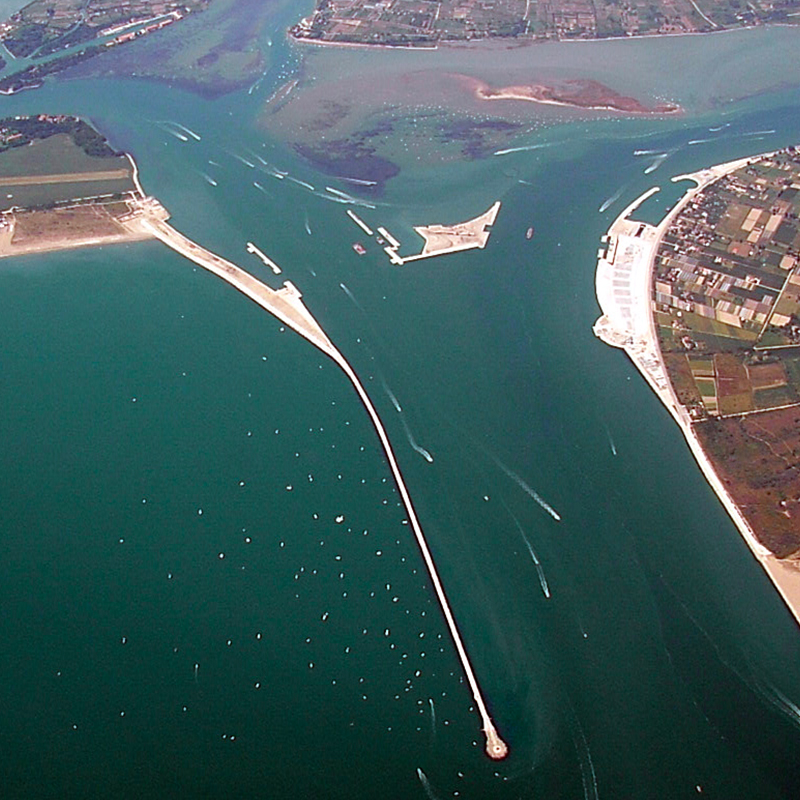
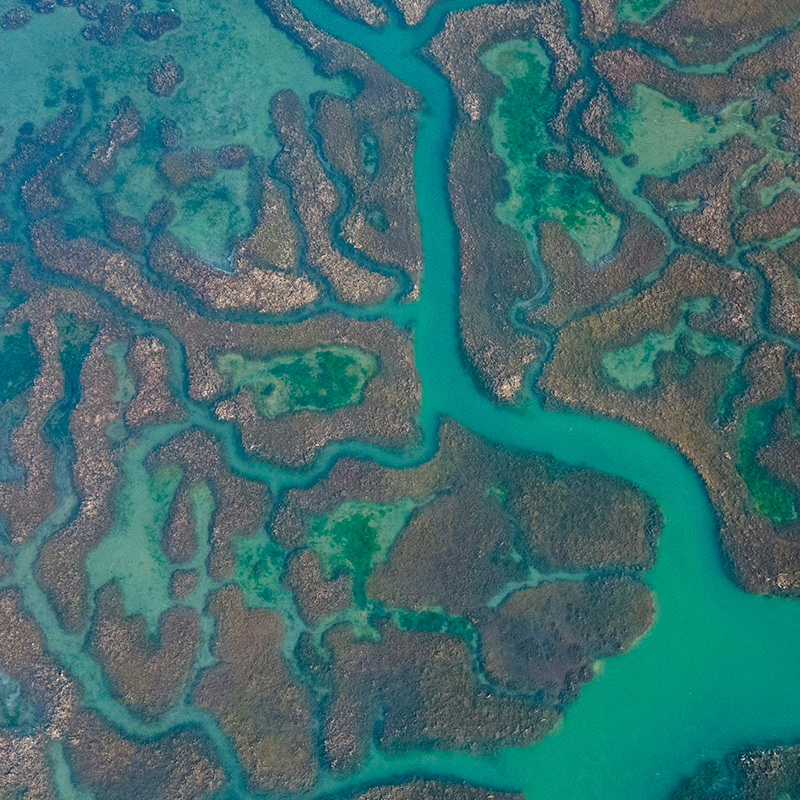
The Venice Climate Assessment Report (VAR) is a transdisciplinary, data-supported initiative to bring together current knowledge on climate change impacts, risks, and response options for the Venice lagoon and its wider social and environmental contexts. In a pivotal period of opportunity to build on the experiences of the MOSE system, the VAR will enable a shared scientific foundation that supports informed, long-term decision-making for Venice in a changing climate.
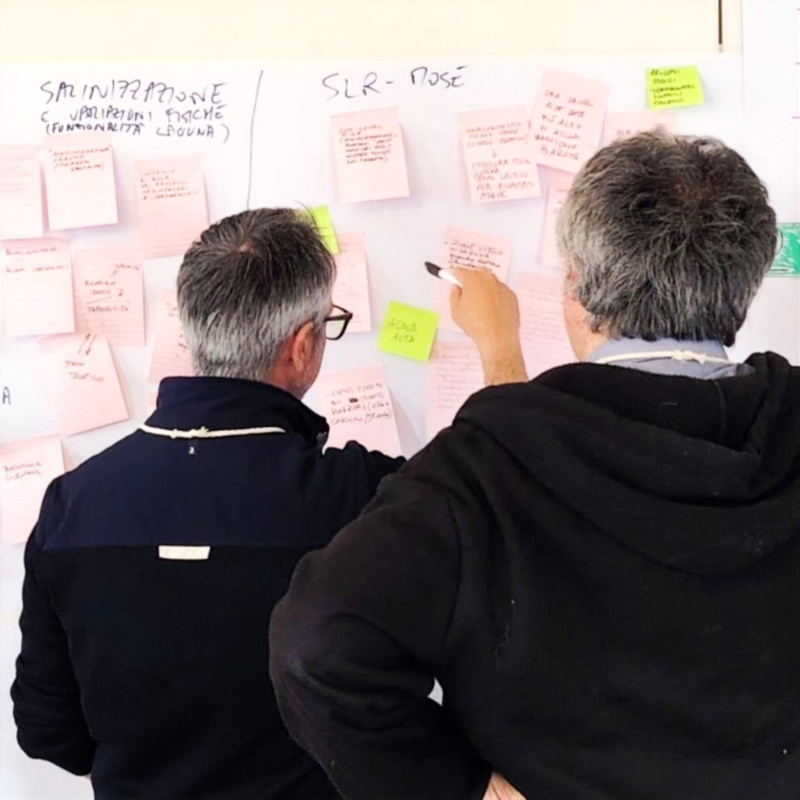

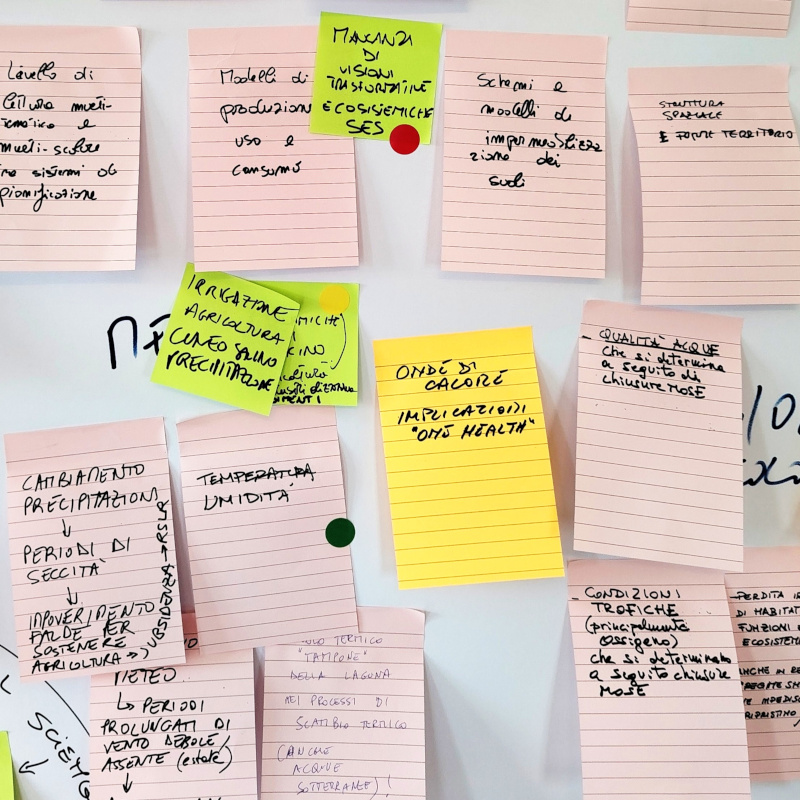
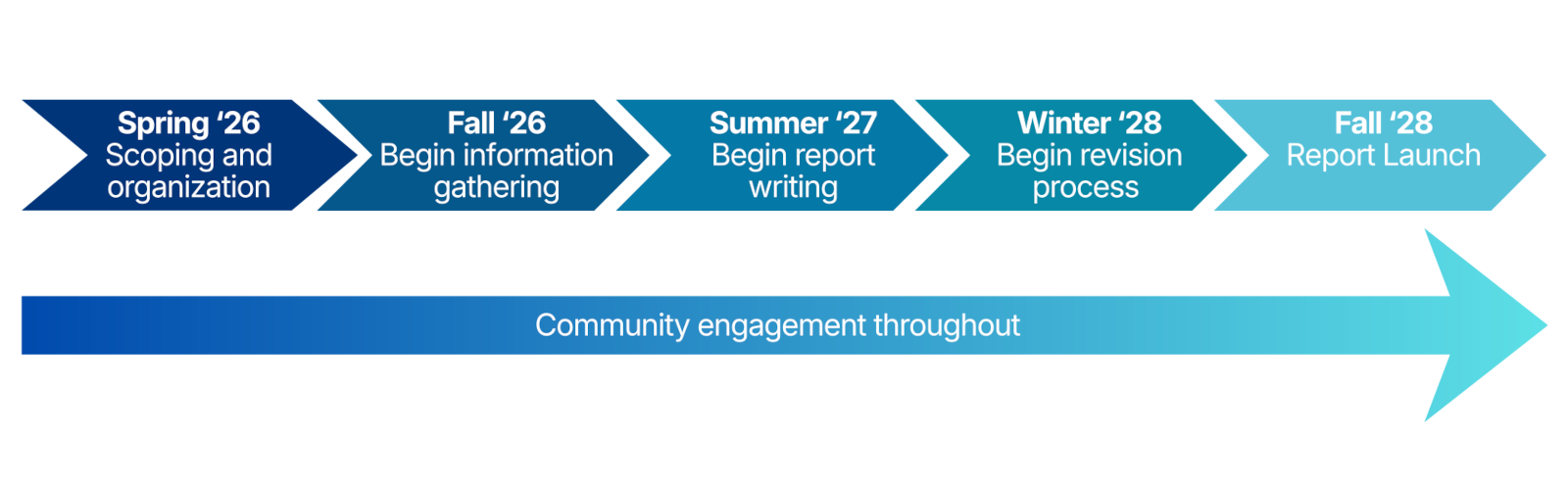
The proposed VAR process will include gatherings of scientists, technical and policy experts, literature reviews, policy maker and other stakeholder engagement, and participatory workshops and outreach with the broader Venice community.
The VAR represents an opportunity for Venice to pioneer a regional-scale, transdisciplinary assessment approach that combines on the rigour of global assessments with local knowledge and cultural identity. By bringing diverse voices together and learning collaboratively, this process can help show how other climate-exposed, heritage-rich regions might approach similar challenges.
Integrated assessment: synthesize a broad range of scientific and experiential knowledge from the region, ensuring that needs and perspectives of decision-makers, local communities and other interested parties are considered from the onset.
Engagement: establish a real-world laboratory in Venice where science, policy-making and civil society can jointly develop strategies for effective, socially accepted, and institutionally viable climate adaptation, mitigation, and resilience. Foster sustained dialogue through participatory and transparent processes.
Action: share clear, usable information on how Venice could move toward a more resilient and sustainable future in the face of climate change.
The Venice Climate Assessment Report is developed through a collaborative, transdisciplinary structure that brings together several key roles:
- Scientific and Technical Committee: provides strategic guidance and scientific oversight for the entire VAR process.
- Technical Secretariat (CSRCC team): coordinates the overall VAR process, ensuring methodological coherence and operational support.
- Decision‑makers, stakeholders, and the local community: participate in the report process through a range of public engagement activities, contributing knowledge, experience, and feedback.
- Expert author working groups: develop the report’s content by assessing and synthesizing available evidence, integrating diverse forms of knowledge, and contributing to the drafting of the chapters.
Working Groups are thematic author teams corresponding to the main chapters of the VAR. They bring together authors with expertise in climate science or policy, ecosystem studies, socioeconomics, urban planning, etc. Working Group members provide expertise in particular topics and help ensure that the report captures the wider body of knowledge and perspectives in their field.
Working Group co-chairs act as big-picture coordinators between the thematic groups, and serve as ambassadors of the VAR.
The call for applications to join the VAR Working Groups was open from April to early May 2026. We extend our thanks to everyone who submitted their candidacy.
Working Group Co-Chairs

The VAR process includes a series of key events that mark the development of the assessment, from public‑facing initiatives to activities dedicated to authors and contributors. This overview highlights the main events:
- Scoping Workshop of the Venice Climate Assessment Report, 10 April 2026. An open and constructive space for dialogue across disciplines and actors that initiated the VAR’s transdisciplinary process, helping define its knowledge priorities and guiding the next steps.
- Together for Venice and its Lagoon in a Changing Climate, 8 June 2026. A public presentation of the VAR and other engagement activities promoted by the CSRCC.
New events will be added as the process moves forward.