After the success of its 2025 edition, the International Centre for Climate Change Studies (CSRCC) is proud to launch the 2026 International Summer School, envisioned as an annual reference point for interdisciplinary early career researchers from around the world.
The Summer School aims to equip participants with an advanced understanding of the key challenges, emerging trends, and real-word impacts of climate change in coastal areas. Beyond knowledge exchange, the programme is designed to cultivate lasting legacy for its Alumni by fostering durable cross-border networks, collaborations, and long-term professional connections. The programme will include six keynote lectures delivered by leading international experts, alongside hands‑on workshops designed to build interdisciplinary working groups and encouraging meaningful collaboration among participants.
Intended audience: 20-25 early career researchers (PhD students and post-doctoral researchers)
Applications closed on 27 February 2026
Scientific and organizing committee: Alessio Rovere, Carlo Barbante, Ciro Cerrone, Silvia Rova
Contacts: Ciro Cerrone - ciro.cerrone@csrcc.it
Event organized by CSRCC in collaboration with:


The Summer School is designed to combine high-level scientific exchange with practical, hands-on experience, fostering interdisciplinary dialogue and collaboration among participants. The programme balances keynote lectures by leading experts with interactive workshops and field-based learning, offering a comprehensive and immersive training experience focused on coastal climate change. All the activities are held in English.
In particular, the Summer School is organized as follows:
- Tuesday, 2 June: participants’ check-in at the residential centre on San Servolo Island
- Wednesday 3, Thursday 4, Friday 5 June: two keynote lectures every morning + Workshops in the afternoons
- Saturday 6 June: excursion
- Sunday, 7 June: participants’ check-out from the residential centre

|
Poster | 991 KB |
Tentative programme
Topic: Hot topics in climate science
- 9.00-9.10 Introduction to the Summer School and moment of remembrance for Prof. Monica Montefalcone (Alessio Rovere, Ca’ Foscari University of Venice)
- 9.10-10.30 Morning lecture 1: Setting the scene (confirmed speaker: Benjamin Horton, City University of Hong Kong, HK)
- 10.30-11.00 Break
- 11.00-12.30 Morning lecture 2: Blue futures: the strategic role of oceans (confirmed speaker: Sandro Carniel, CNR-ISP)
- 12:30-14.00 Lunch break
- 14.00-17.00 Connect and cluster workshop: Mapping synergies - from individual to collaborative projects (facilitator: Angela Moriggi, University of Padua)
Topic: Projections and future scenarios to inform policy + Excursion
- 9.00-10.30 Morning lecture 1: Climate change scenarios in coastal areas (confirmed speaker: Filippo Giorgi, International Centre for Theoretical Physics)
- 10.30-11.00 Break
- 11.00-12.30 Morning lecture 2: A focus on sea level rise modelling and projections (confirmed speaker: Andra Garner, Rowan University)
- 12.30-13.30 Quick lunch break
- 13.30-14.30 Introduction to the MOSE floodgate system (speaker from Autorità per la Laguna)
- 14.30-16.30 Excursion: visit to the MOSE floodgate system at Lido inlet
- 16.30-18.00 Free time
- 18.00-19.30 Inquiry aperitif: deep dive into critical questions and narratives from the MOSE experience and beyond (facilitator: Angela Moriggi, University of Padua)
Topic: The impacts of climate change in coastal areas
- 9.00-10.30 Morning lecture 1: Sea-level rise and impacts on coastal living communities (confirmed speaker: Fabio Pranovi, Ca’ Foscari University of Venice)
- 10.30-11.00 Break
- 11.00-12.30 Morning lecture 2: Impacts on coastal urban areas (confirmed speaker: Franco Montalto, Drexel University)
- 12:30-14.00 Lunch break
- 14.00-17.30 Vision and venture workshop: Future-proofing - prototyping and roadmapping the Alumni Legacy (facilitator: Angela Moriggi, University of Padua)
Speakers
Sandro Carniel
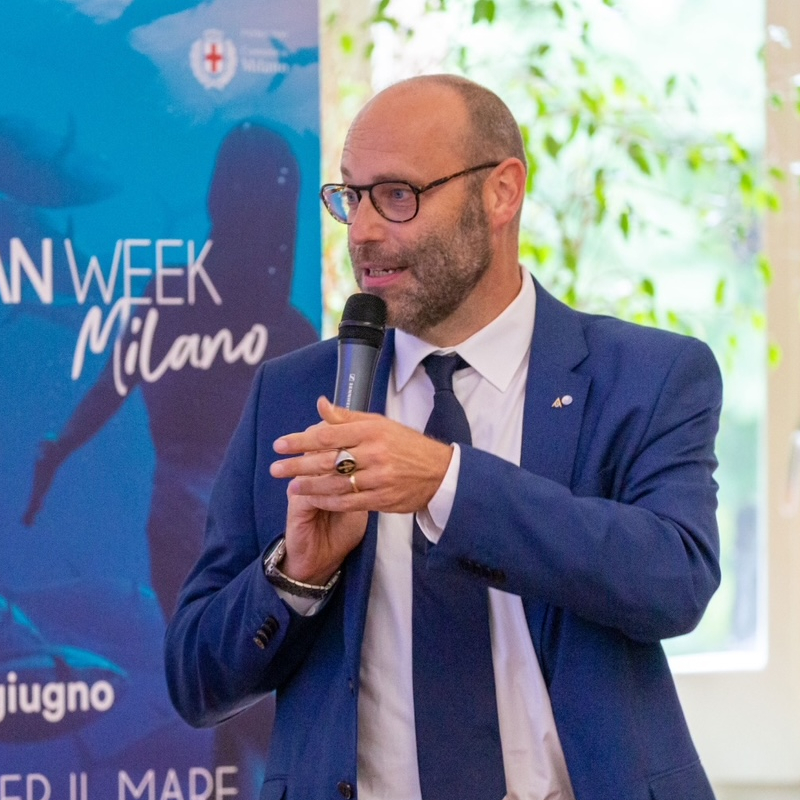
Prof. Dr Sandro Carniel, oceanographer, is Senior Research Director at the National Research Council (CNR), Institute of Polar Sciences, Venice, and Faculty Member at SDA Bocconi University in Milan. From 2019 to early 2025, he was Head of the Research Division at the Centre for Maritime Research and Experimentation (CMRE), the only NATO maritime research centre. His research focuses on ocean-climate interactions, air-sea processes, sea level rise, and digital twins of the ocean, with a strong multidisciplinary approach and attention to emerging technologies and the climate-security nexus. Currently Associate Editor of leading journals and member of the Scientific Committee of “One Ocean Foundation”, he has also served as Vice President of the Ocean Sciences Division of the “European Geosciences Union” and as evaluator for international research programmes. He is active in science communication through television and media and is the author of award-winning popular science books. In 2022, he received the “Tridente d’Oro” (Golden Trident) for his contributions to oceanographic research and scientific communication, and since 2024 he has been an International Fellow of The Explorers Club of New York.
Andra Garner
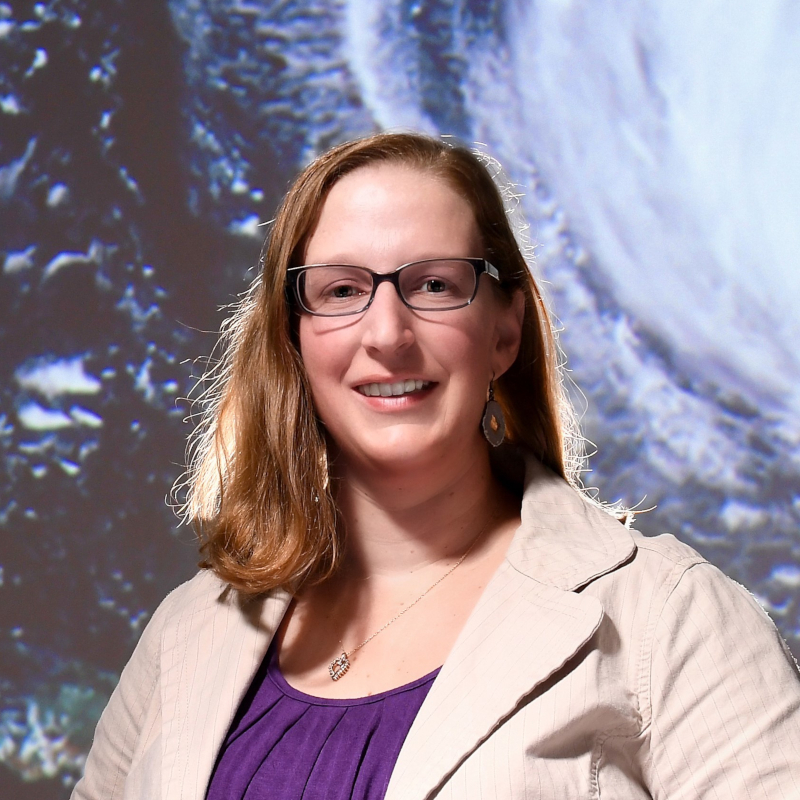
Andra Garner is an Associate Professor at Rowan University in the Department of Environmental Science, where she specializes in research related to coastal hazards and climate change. Her work focuses on the impacts of a warming world upon coastal hazards, including increasing flood risks associated with hazards such as coastal storms, tsunamis, and sea-level rise; evolving characteristics of tropical cyclones in a changing climate; and understanding how sea-level projections are generated, communicated, and used. In addition to working on innovative research projects related to climate change, Andra is committed to bringing this important science to the public. She frequently discusses her work in public lectures, and also regularly discusses climate change and its coastal impacts with members of the media. She has also been a contributor to multiple scientific advisory panels at the local, national, and international levels, and currently serves as an Associate Editor at Earth’s Future.
Filippo Giorgi
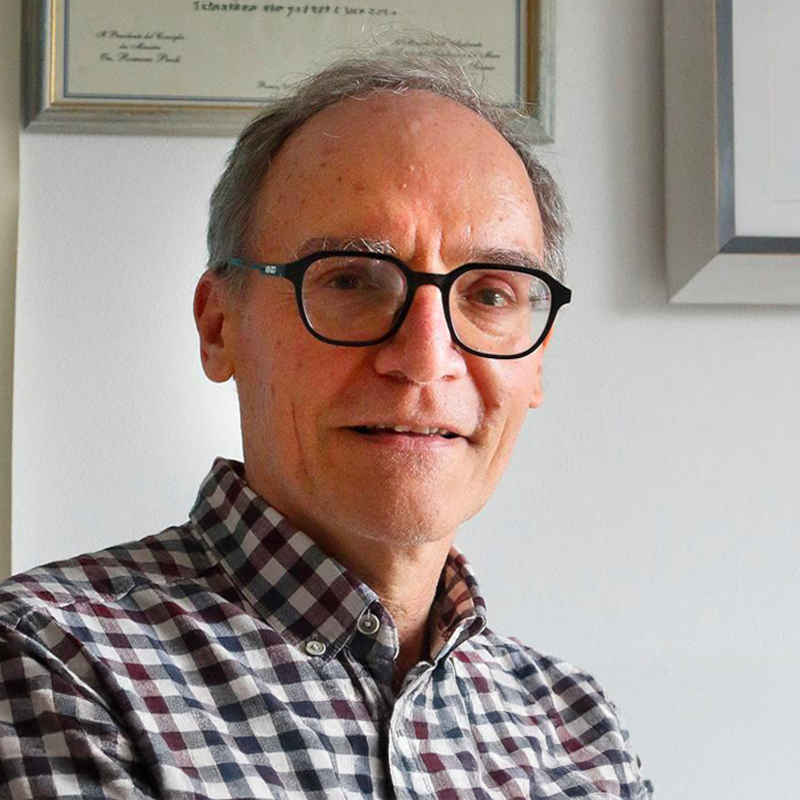
Filippo Giorgi is an internationally recognized climate scientist whose work spans climate modeling, climate‑change impacts, biosphere-atmosphere interactions, and chemistry-climate processes. Over more than three decades, he has played a central role in advancing regional climate modeling and understanding the physical mechanisms driving climate variability and change. He received his Ph.D. from the Georgia Institute of Technology in 1986 and subsequently spent twelve years as a scientist at the National Center for Atmospheric Research (NCAR) in Boulder, Colorado. In 1998 he joined the Abdus Salam International Centre for Theoretical Physics (ICTP) in Trieste, Italy, where he leads the Earth System Physics section. Giorgi has authored over 420 peer‑reviewed publications and is among the most cited researchers in the geosciences; a 2020 Stanford University analysis ranked him 11th worldwide in Meteorology and Atmospheric Physics. He contributed to the first five assessment reports of the Intergovernmental Panel on Climate Change (IPCC) and served as a Vice‑Chair of Working Group I from 2002 to 2008, during the period in which the IPCC was awarded the 2007 Nobel Peace Prize. His distinctions include the 2018 Alexander von Humboldt Medal of the European Geosciences Union, recognizing his outstanding contributions to climate research and scientific capacity building in developing countries.
Benjamin Horton
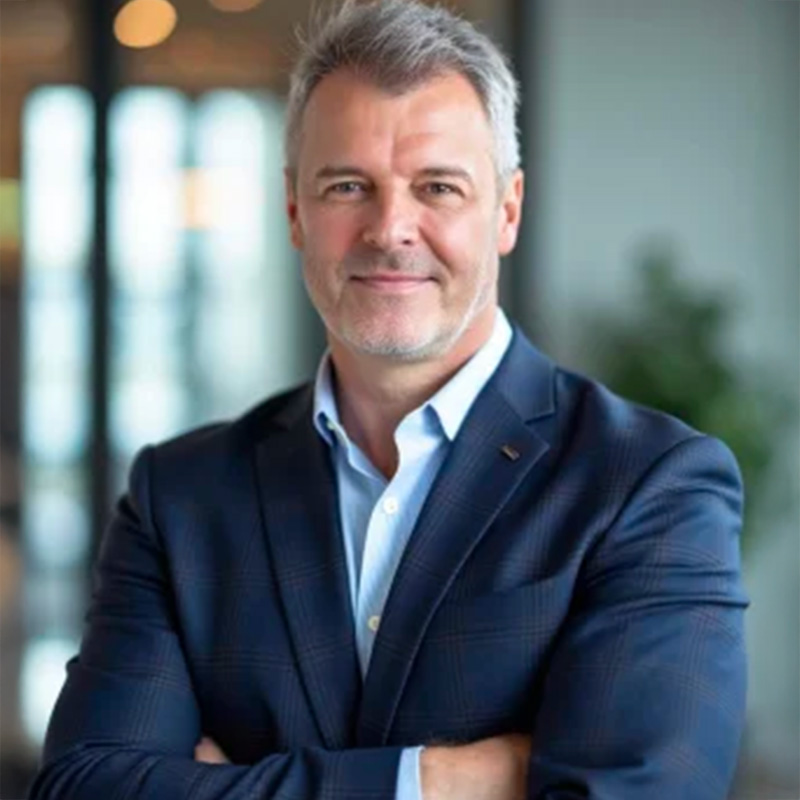
Benjamin Horton is the Dean of the School of Energy and Environment and Chair Professor of Earth Science at City University of Hong Kong. A leading authority on sea‑level change, climate extremes, and coastal hazards, his research integrates geological records, geophysical processes, and climate‑model projections to understand past, present, and future coastal risks. He has authored more than 300 peer‑reviewed publications widely cited across climate science and environmental policy. He has contributed to the Intergovernmental Panel on Climate Change (IPCC) as a Review Editor for the Sixth Assessment Report and the Conference of Parties (COP), providing expertise on sea‑level rise, coastal hazards and climate communication. In Hong Kong, he plays an active role at the science‑policy interface through research on coastal‑risk assessment and climate‑adaptation strategies that support regional planning and resilience. Before joining CityU, Professor Horton served as Director of the Earth Observatory of Singapore and held academic positions at Nanyang Technological University, Rutgers University, and the University of Pennsylvania. He was also the AXA Chair in Natural Hazards, reflecting his leadership in global climate‑risk research.
Franco Montalto
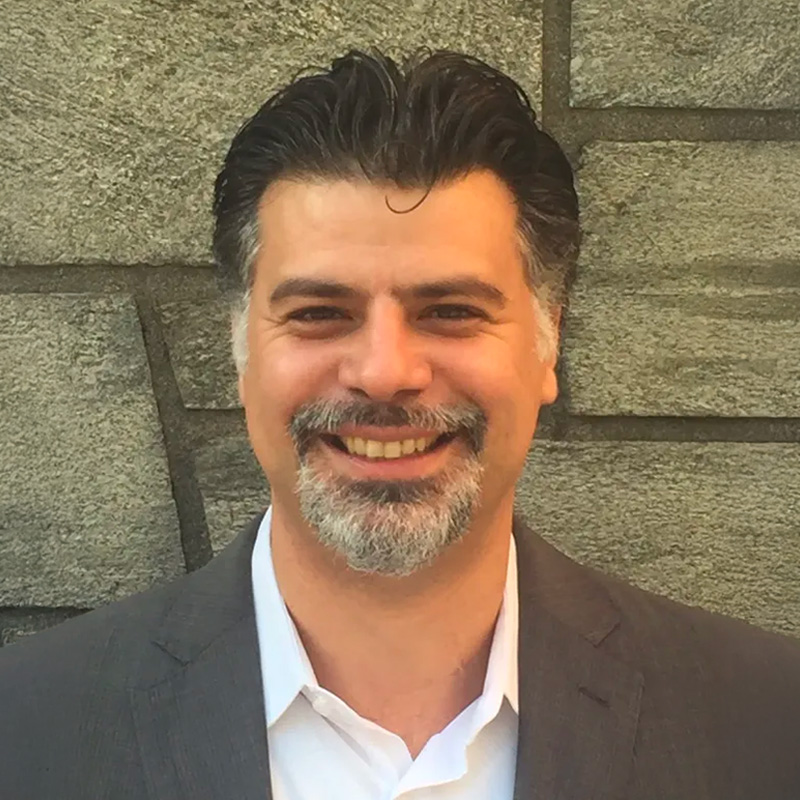
P.E. Ph.D., Civil/environmental engineer and hydrologist
Dr. Montalto is a civil engineer interested in the development of ecologically, economically, and socially sensible solutions to urban environmental problems, with a focus on water resources, sustainability, and climate resilience. His about 30 years of experience have included research, planning, and design of a variety of nature-based solutions involving ecological restoration of degraded landscapes, the use of constructed wetlands for wastewater and stormwater treatment, as well as work with “green infrastructure” and “low impact development” technologies as a means of managing urban runoff, while promoting urban sustainability and resilience. He is a Professor at Drexel University, where he directs the Sustainable Water Resource Engineering Lab. He is also the Founder and President of eDesign Dynamics LLC, an environmental consulting firm based in New York City, with an international portfolio of projects. He serves as co-chair of the Fifth New York City Panel on Climate Change (NPCC5), the Director of the North American Hub of the Urban Climate Change Research Network (UCCRN), was an invited author of the Northeast Chapter of the 5th National Climate Assessment (NCA5). Previously, he served as a Research Fellow at The Earth Institute at Columbia University, and a Fulbright Scholar in Venice, Italy. His degrees are from the Cooper Union for the Advancement of Science and Art and Cornell University. Dr. Montalto is a licensed engineer in New York (#090284 on 1/18/2012), Pennsylvania (#PE080773), New Jersey (#24GE05353000), Connecticut (#PEN.0030533), Florida (#90024), and Puerto Rico (#28178).
ORCiD: 0000-0001-8920-1834.
Angela Moriggi
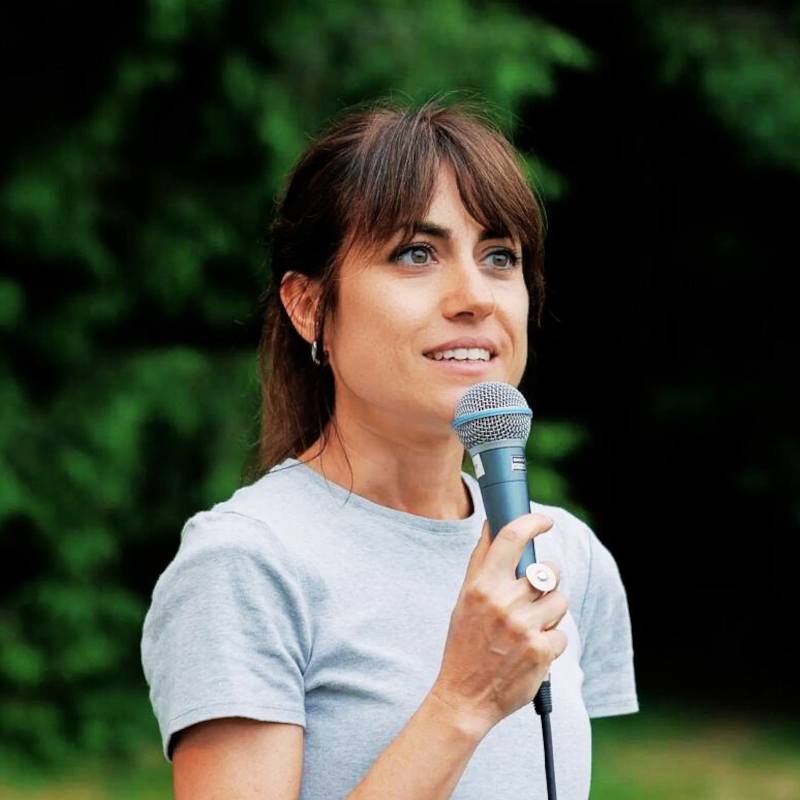
Angela Moriggi is a rural sociologist (PhD from Wageningen University), action-researcher, and facilitator working for transdisciplinary projects since 2013. Her research investigates change and innovation for sustainability with a focus on marginalized voices, including youth, women and non-human perspectives. She also explores how feminist epistemologies can transform our relationship with the world — expertise that led to her role as a Contributing Author for the IPBES Transformative Change Assessment Report. A practitioner of co-creation, she has co-authored two toolkits on regenerative sustainability, integrating systems thinking, design thinking, and futures thinking. Leveraging her expertise in collaborative work, she provides trainings to help collectives, communities, and networks build capacity toward a shared vision, and explores leadership from pluralistic perspectives fostering collective agency and innovation.
Fabio Pranovi
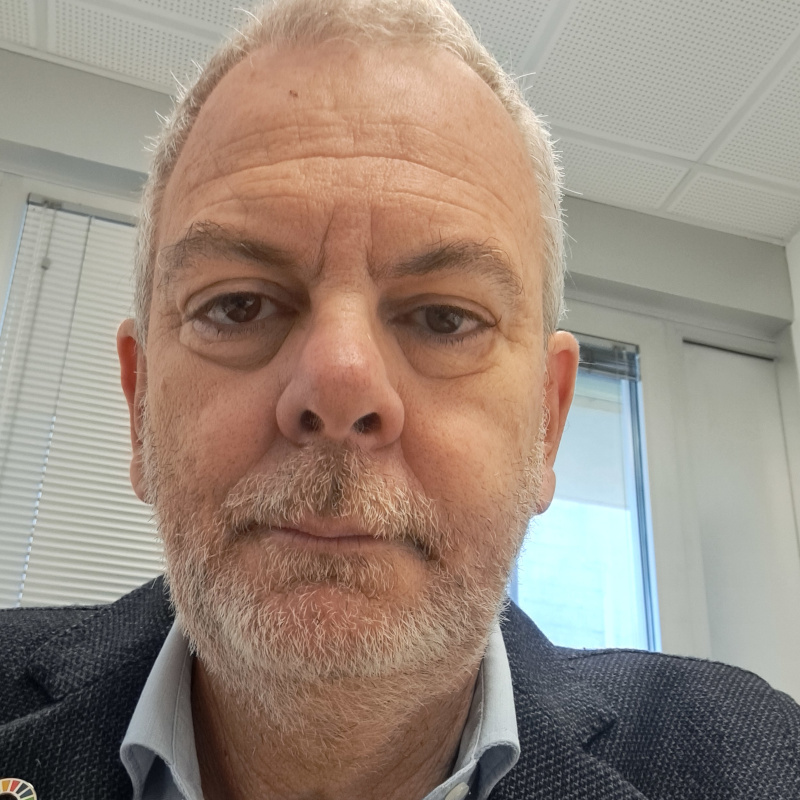
Fabio Pranovi is full Professor of Ecology at the Department of Environmental Sciences, Informatics and Statistics of Ca’ Foscari University of Venice. His main research interests focus on the application of the ecosystem approach to the exploitation of renewable resources in marine environments and the effects of climate change on the structure and functioning of coastal ecosystems, wit the potential impacts on the ecosystem services supply. In these contexts, particular attention is devoted to the implementation of ecosystem indicators for the assessment of ecological status; the analysis of fishing activities in coastal areas and possible developments in terms of sustainability and the study of the peculiarities of biological communities in the northern Adriatic Sea, in relation to the presence of the Venice lagoon, and their possible vulnerability to the effects of climate change. He previously served as Rector’s Delegate for Sustainability and President of the Rete delle Università per lo Sviluppo Sostenibile (Italian University Network for Sustainable Development, RUS).
The Summer School will enrol a restricted group (up to 25) of highly motivated early career researchers (PhD students and post-doctoral researchers).
Accommodation costs, as well as lunches and coffee breaks, are covered. Participants will be hosted in double rooms at the residential centre on San Servolo Island, Venice.
Four long-range travel grants (reimbursement up to 1000 € per person) and four short-range travel grants (reimbursement up to 400 € per person) will be awarded. All applicants are eligible to apply for the travel grants.
The deadline for applications is Friday, 27 February 2026, see below for details on the application procedure.
Selected participants are asked to contribute a participation fee of 100 €, which will be requested only after admission, as part of the acceptance process.
|
|
Ranking list | 319 KB |
Applicants must meet one of the following academic requirements:
- be enrolled in a PhD programme; or
- work (or be eligible to work) as post‑doctoral researchers; or
- be enrolled in a Master’s programme and actively working on their thesis. In this case, applicants must provide their thesis topic and the name of their supervisor.
The Summer School is open to candidates from any academic background, provided their research interests relate to climate change.
Applicants must have a good working knowledge of English (a solid B2 level is expected).
Applicants must be motivated to engage in interdisciplinary working groups addressing climate‑related challenges in coastal areas.
Applications will be accepted exclusively through the relevant online application form.
Applicants must use their full legal name in the application, matching the name and surname on their ID card or passport.
All sections of the form must be completed. The form will also allow applicants to request travel grants. Applicants wishing to apply for a travel grant will be asked to provide a tentative estimate of their travel costs.
Applicants must upload the following documents:
- short Curriculum Vitae in English (in PDF format), including education, professional experience, relevant activities, and publications (if any)
- motivation letter in English (max 1 page, in PDF format) explaining why they are applying for the School. Applicants should describe how their qualifications and experience relate to the School’s themes and why they wish to participate in interdisciplinary working groups on key challenges in climate change science (e.g., What can I contribute? What would I like to take home?)
The deadline for applications is Friday, 27 February 2026.
The selection process will be carried out by the Summer School Organizing Committee. All applicants will be ranked based on two criteria:
- academic profile (50%)
- motivation (50%)
Travel reimbursements will be assigned to applicants who requested them, based on their final ranking and their place of residence.
Rankings will be published no later than Friday 6 March 2026.
Selected applicants must confirm their place by 13 March 2026 by:
- completing the online acceptance form
- paying the application fee of 100 €
If a selected applicant does not confirm by the deadline, candidates on the waiting list will be contacted.
The Summer School will take place at the premises of Venice International University (VIU), on the island of San Servolo, Venice.
San Servolo is a small island in the Venetian Lagoon, just a few minutes from St Mark’s Square yet surrounded by open water and silence. Its historic complex blends monastic and later institutional architecture, with elegant cloisters, long arcades, and restored brick façades that reflect centuries of transformation. Once home to Benedictine monks and later a psychiatric hospital, the island now hosts cultural institutions, exhibitions, conferences, and educational programs. A large, beautifully maintained park with mature trees and breathtaking lagoon views completes its unique character. The island’s calm atmosphere creates an ideal setting for the interdisciplinary dialogue of the CSRCC International Summer School.
Venice International University (VIU) is a global academic consortium based in San Servolo, where universities from around the world collaborate in a uniquely international setting. VIU offers an immersive campus experience, with interdisciplinary programs that bring together students and faculty from diverse cultural and scientific backgrounds, fostering dialogue on sustainability, global challenges, and innovation.
The island of San Servolo is located about 10 minutes by boat from Piazza San Marco, the very heart of the historical city of Venice.
Public transport Line 20 connects the island with the San Zaccaria “B” boat stop in downtown Venice, with departures approximately every 30 minutes.
Please check the updated timetable on the official website of the public transport company (ACTV).
From Marco Polo Airport (VCE)
From the airport, you can reach Venice downtown either by waterbus (Alilaguna), which arrives directly to San Zaccaria, or by land transport (ATVO bus or ACTV bus Line 5, or taxi), which arrives to Piazzale Roma. Once in Venice, continue to the San Zaccaria “B” boat stop and take public transport Line 20 to San Servolo.From Venice Santa Lucia Train Station
From the station, walk outside to the waterfront and take a vaporetto to San Zaccaria (Lines 4.1, 5.1 are the most direct).
At San Zaccaria, proceed to dock “B” and board Line 20 to San Servolo.From Piazzale Roma (car park and bus terminal)
From Piazzale Roma, take a vaporetto to San Zaccaria (Lines 4.1, 5.1 are the most direct).
At San Zaccaria, go to dock “B” and take Line 20 to San Servolo.From Tronchetto (bus hub and parking)
From Tronchetto, take a vaporetto to San Zaccaria (Line 2).
At San Zaccaria, take Line 20 from dock “B” to San Servolo.
Please check VIU's webpage for more detailed information.
A standard 75‑minute ticket for the ACTV waterbus network costs € 9.50.
If you plan to use public transport regularly during your stay, you may find it convenient to purchase a time‑based travel pass: 24 hours (€ 25.00), 2 days (€ 35.00), 3 days (€ 45.00), or 7 days (€ 65.00). Discounted fares for bus transfers to and from Venice Marco Polo Airport are available when purchased together with one of these passes.
For detailed and updated information on ticket options and prices, please visit the ACTV website.
Tickets can be purchased at Venezia Unica ticket points, self‑service machines, or through the AVM Venezia Official App.
A tap‑to‑pay system is also available for contactless payments using debit or credit cards. To use it, tap your card on the validator when you start your journey (“tap‑in”) and when you finish it (“tap‑out”). With this method, the best fare will automatically be applied, including any time‑based travel passes you qualify for.
The Venice Climate Week 26 (3-8 June 2026) takes place during the same days as the CSRCC International Summer School, offering participants a unique opportunity to experience a vibrant city-wide programme dedicated to climate change. Throughout the week, Venice becomes a hub for global conversations on climate action, hosting public events, talks, exhibitions, performances, and community initiatives across the city.
The CSRCC is proud to serve as co-curator of the Venice Climate Week, working closely with the organizers to maximize synergies between the two events.
Stay tuned for updates and opportunities to engage.